TESTING
-
FORCE PLATE TESTING
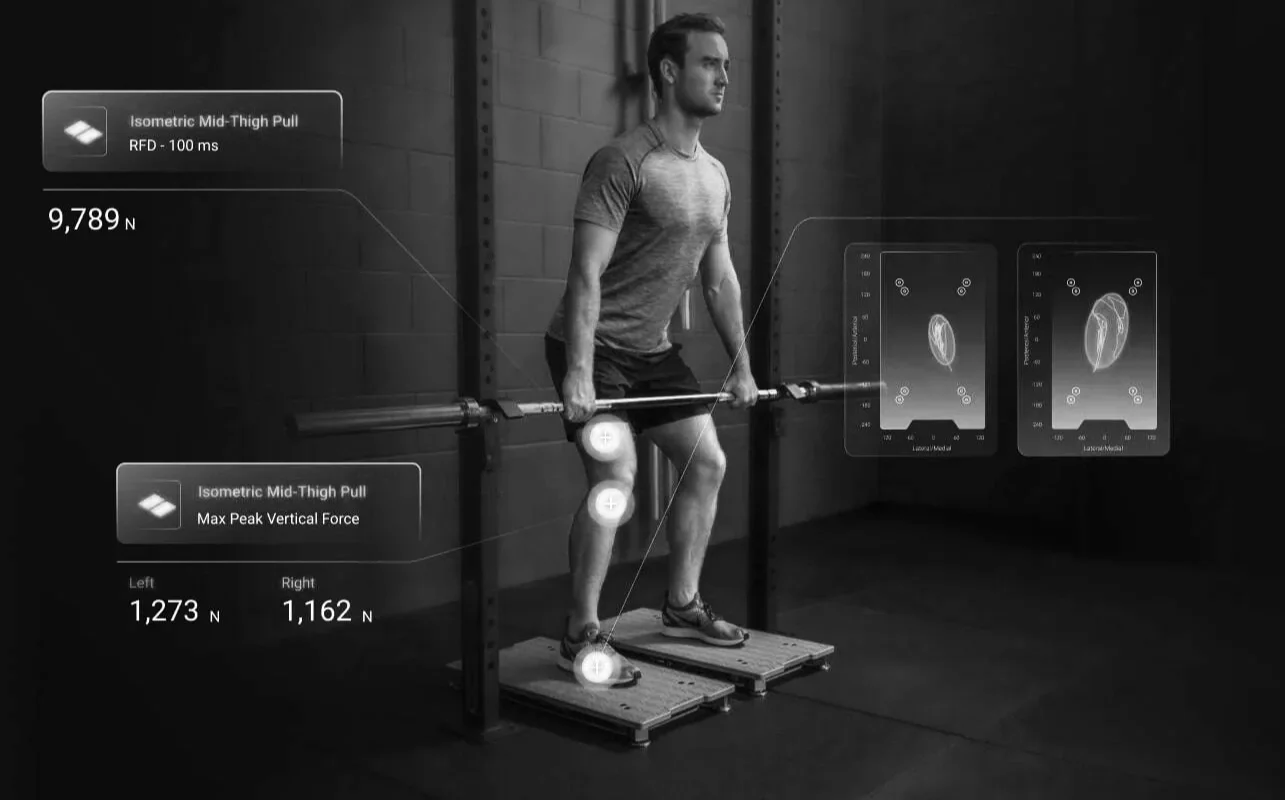
Force plate testing provides an in-depth look at how you move and perform by measuring the forces your body produces during a variety of assessments. Common tests include countermovement jumps, squat jumps, drop jumps, balance assessments, and isometric strength tests. These evaluations can reveal key performance metrics such as power, explosiveness, rate of force development, jump height, limb asymmetries, balance, and movement strategies. Whether you're an athlete aiming to improve performance, returning from injury, or simply interested in understanding your physical capabilities, force plate testing offers objective data to guide training and track progress over time.
Sessions are done in-person at Fall Line Fitness
-
HR DRIFT TEST
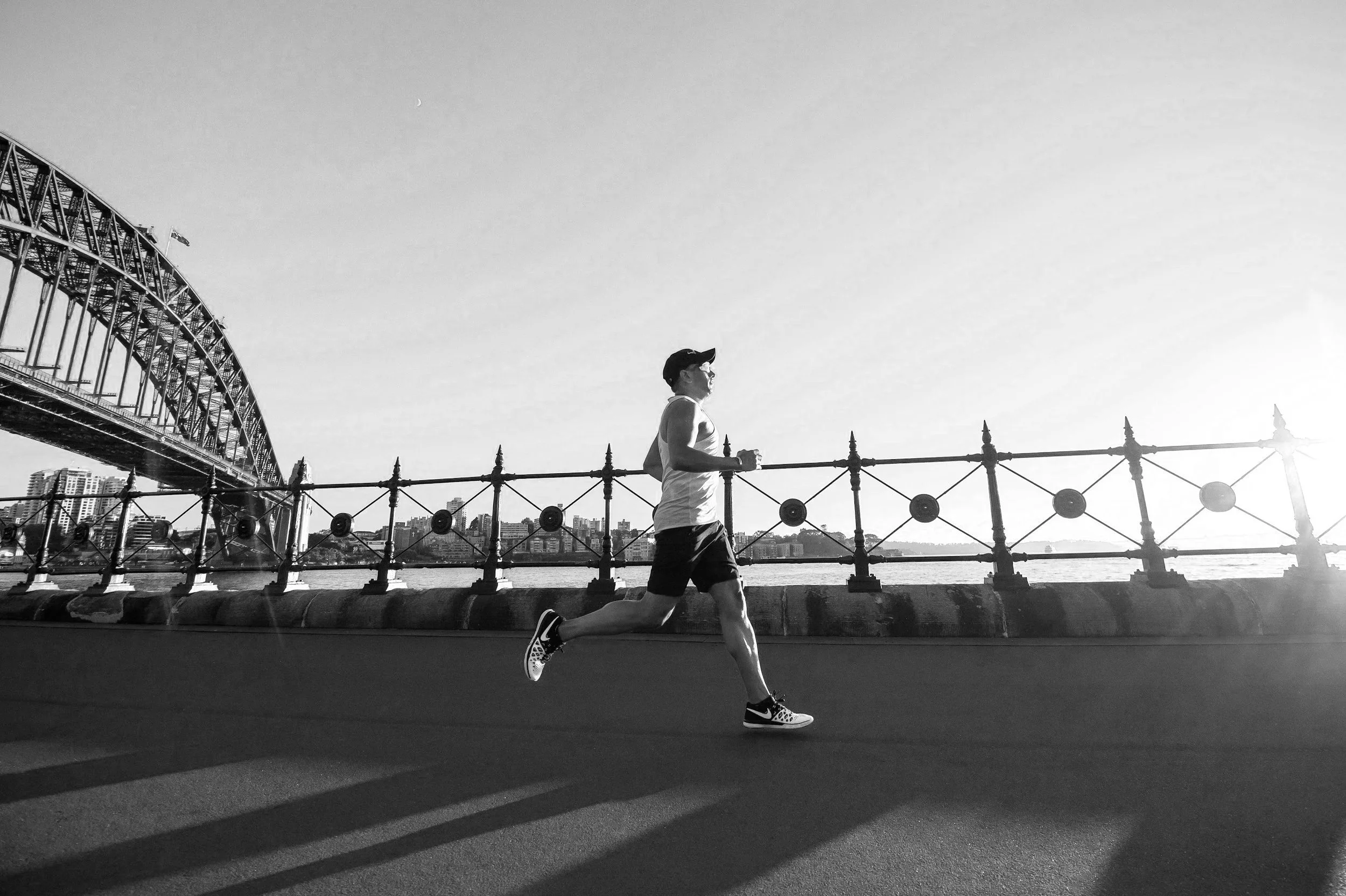
The Heart Rate Drift Test is a practical field assessment used to estimate your aerobic threshold. We look at the intensity at which your body can sustain long-duration exercise most efficiently. The test is typically performed on a track, treadmill, or consistent outdoor route, where you maintain a steady pace for 60 minutes while heart rate and pace are recorded. By comparing how your heart rate changes relative to your pace over the course of the test, we can determine whether you're working above or below your aerobic threshold and identify the optimal heart rate range for aerobic training. Popularized by endurance coaches such as Steve House, this assessment is widely used by runners, cyclists, skiers, and mountain athletes to improve endurance, build a stronger aerobic base, and train with greater precision.
-
VO2 MAX + LACTATE THRESHOLD
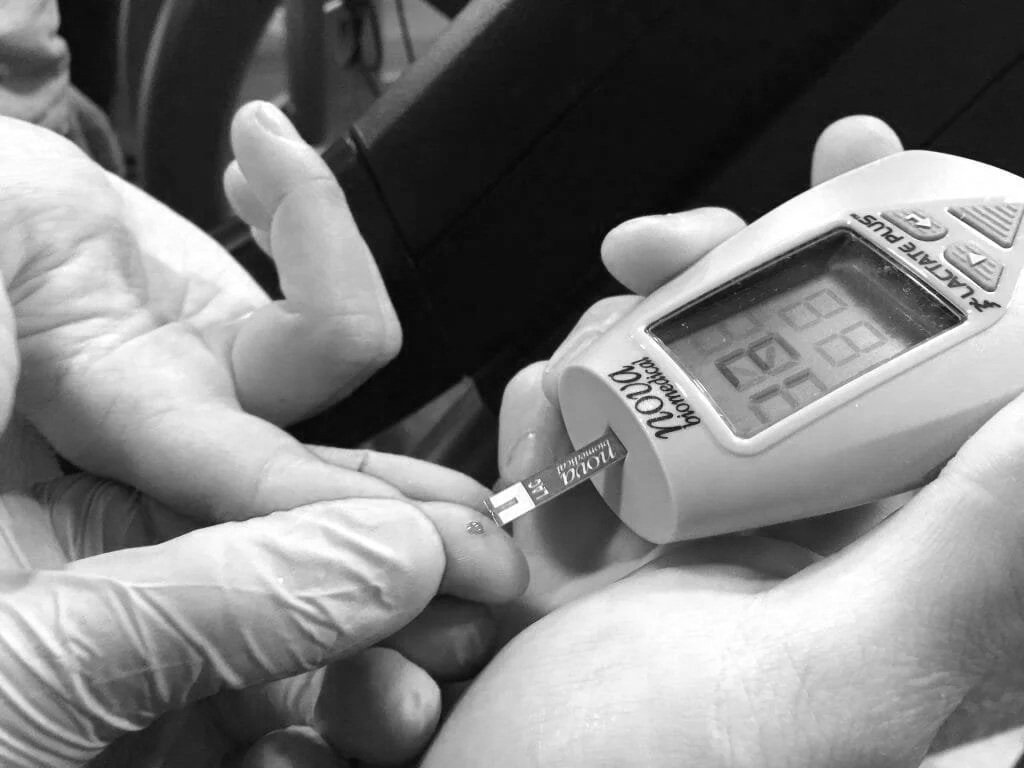
COMING SOON